
Swift impressed me with its handling. However after couple of rides on friend’s polo GT convinced me that it can be improved.
Don’t get me wrong, GT costs twice as much as a standard swift and there’s no easy mods to get the car handle as good as GT.
One thing I noticed on GT is that while cornering, it stays flatter than the swift, body roll is more controlled.
So, I went to work(online research) and found that anti roll bars play an important role in controlling the body roll.
Now, if you Google anti roll bars for swift, there’s plenty of products available, nothing is readily available in India though.
I needed more info, so I searched on teambhp and found many people mentioning that the new Swift’s don’t come with a rear sway bar.
That’s okay, fabricating a anti-roll bar isn’t very hard, you can do it from a local lathe or metal work shop for under 2k.
A rear bar would definitely increase the handling and add a bit of oversteer – exactly what we want.
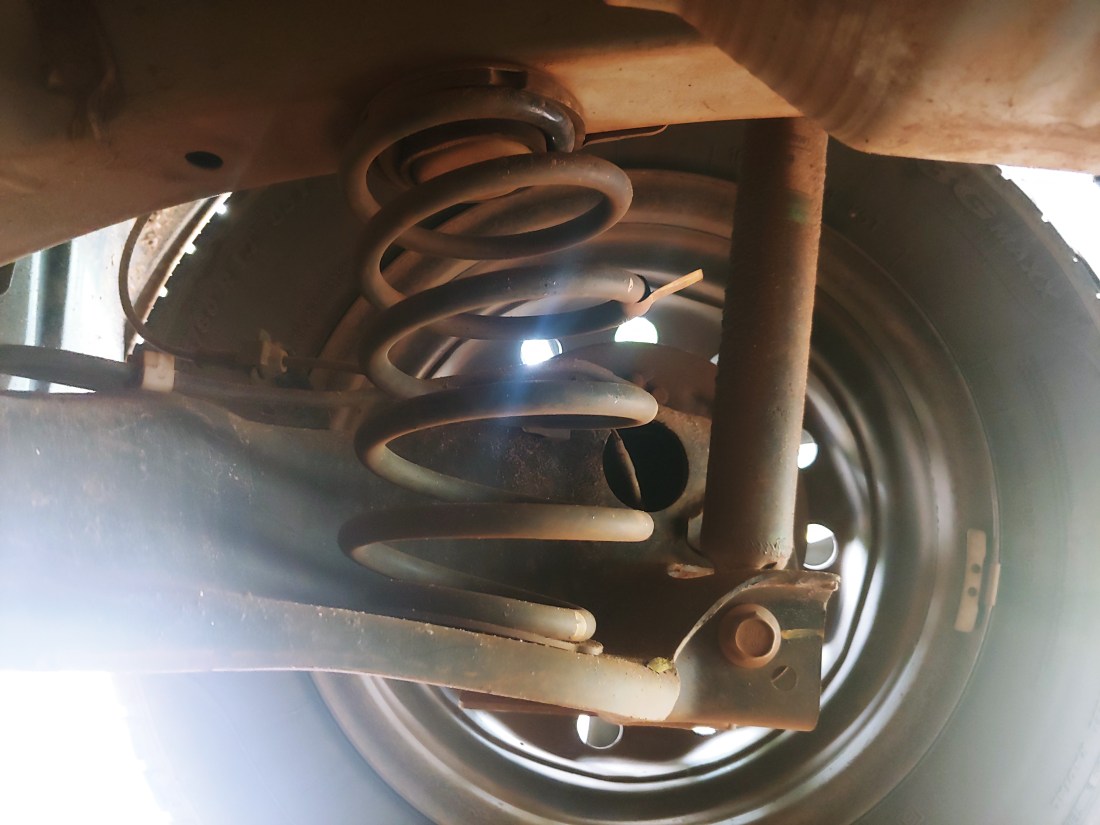
However one look under the 2018 swift and my dreams of improving the handling squashed. Because the car did come with sway bars from factory. It’s inside the twist-beam suspension of the car so, it’s not easily visible.
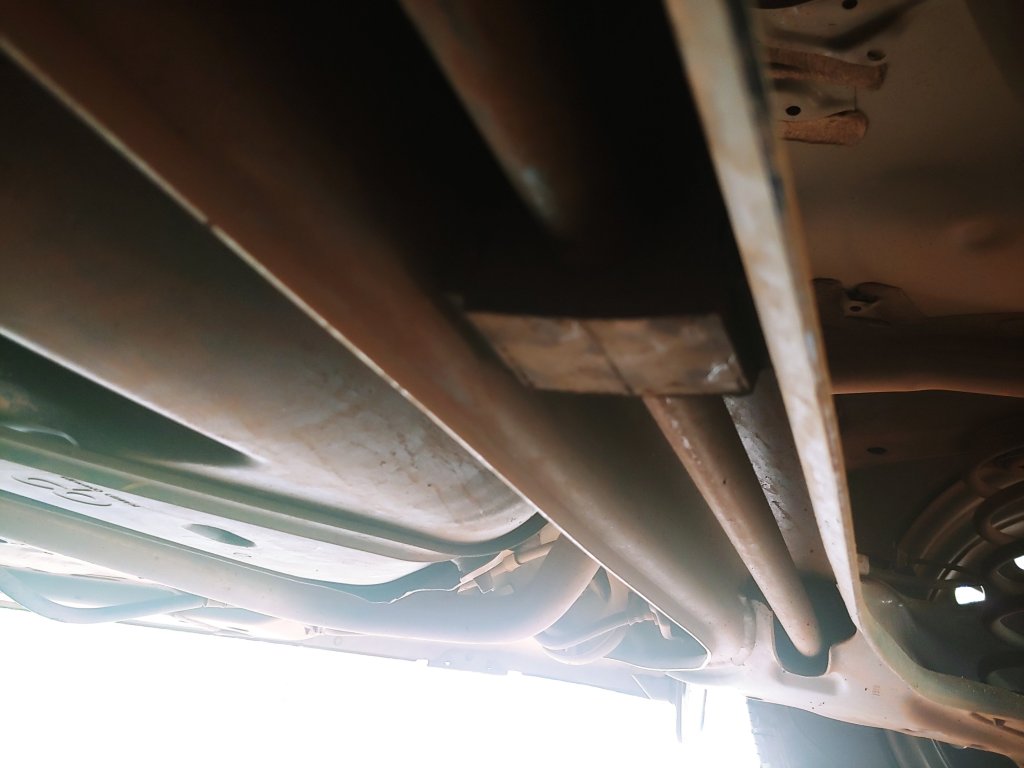
On the polo GT, I couldn’t a anti roll bar in the rear. But the twist beam setup is fully closed like a tube unlike the swift.
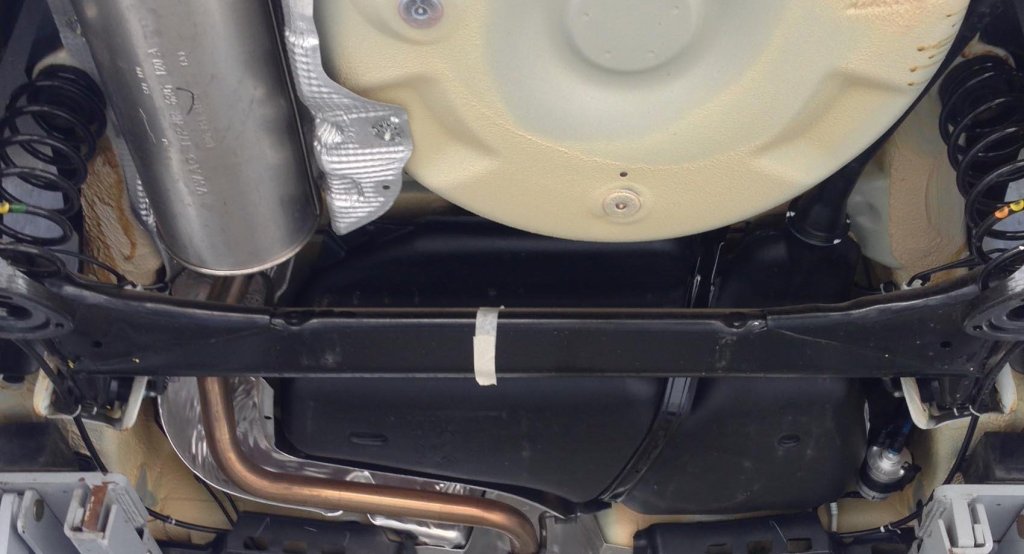
This fully closed, tube like construction will offer more rigidity and torsion resistance. Also mounting holes are already provided if you ever want to fix an additional aftermarket sway bar.
Why didn’t Suzuki do this ? Answer is cost cutting. Including a steel tube is cheaper than constructing a fully closed twist beam setup.
If you’re thinking of adding additional sway bar in swift, don’t bother. There are no holes or mounting points provided to fix one. Even if you drill holes, it won’t be beneficial.
See, the things is, Suzuki really optimized everything. There are no extra metal anywhere you could drill holes into to fix a sway bar.
Dead end.
Strut tower bars maybe? Nop. I’ll tell you why.
Strut bars.
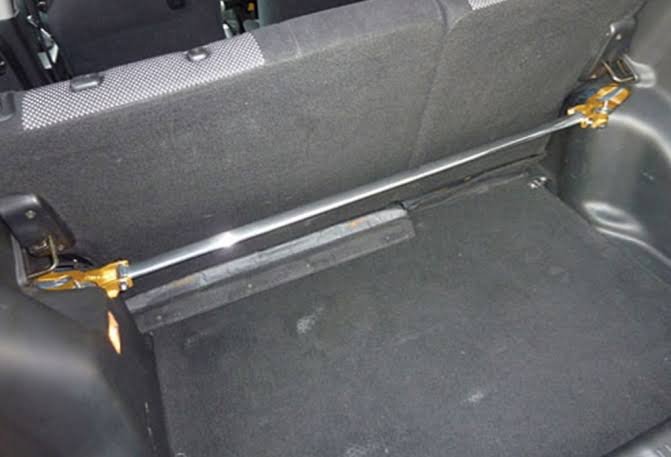
Strut bars rigidly connect dampeners of opposite sides.
This sounds promising. But in reality does nothing.
Unlike anti roll bar, the strut bars only deals with compression and expansion forces. There’s no twisting force applied on this bar if one wheel goes up. So, no torsion force applied and the only way this bar work if there is any movement on dampener mounting while cornering.
Modern cars, especially small hatchbacks like swift has well designed rigid frame. Unless you up the horsepower or corner like a maniac or go to a track there’s no way of inducing much flex to the frame to a point where the strut bars are beneficial.
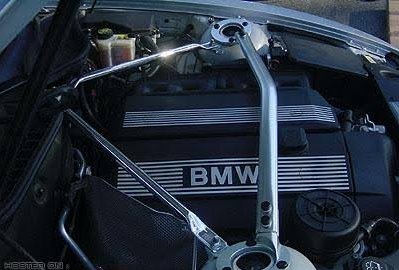
On the above image, this strut bar is actually beneficial due to few things.
1. The suspension mountings are almost in the centre of the engine bay – chances of flex under hard cornering.
2. The engine size and power. Usually higher performance versions of the cars come with strut braces in front due to incresed power and lower power versions don’t usually have braces from factory.
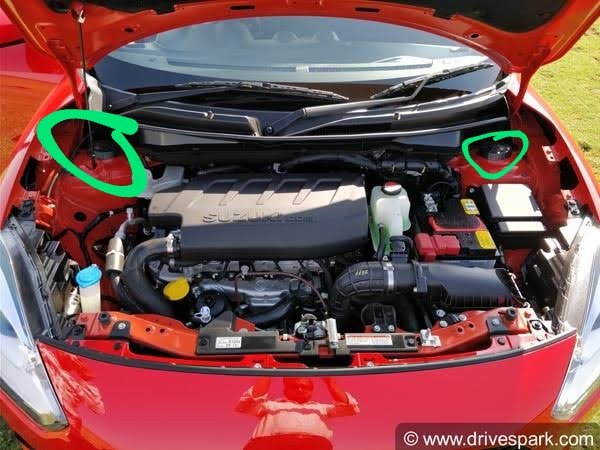
As you see from the above image, the mounting points are really close or part of the firewall area. Which means they are reinforced and generally don’t flex. This is a good design and fixing a strut bar will not add any additional rigidity to the frame.
Another dead end.
Let me know what you think in the comments also if you have another idea let me know that too. Thanks.
 living with a Suzuki swift